
Oil Pulls Back as U.S.–Iran Ceasefire Proposal Lifts Market Sentiment
Global oil prices edged lower after reports that international mediators had proposed a 10-day ceasefire between the United States and Iran, easing some concerns over potential supply disruptions. While the diplomatic initiative reduced part of the geopolitical risk premium embedded in crude prices, ongoing military activity and continued threats to regional shipping kept investors cautious.
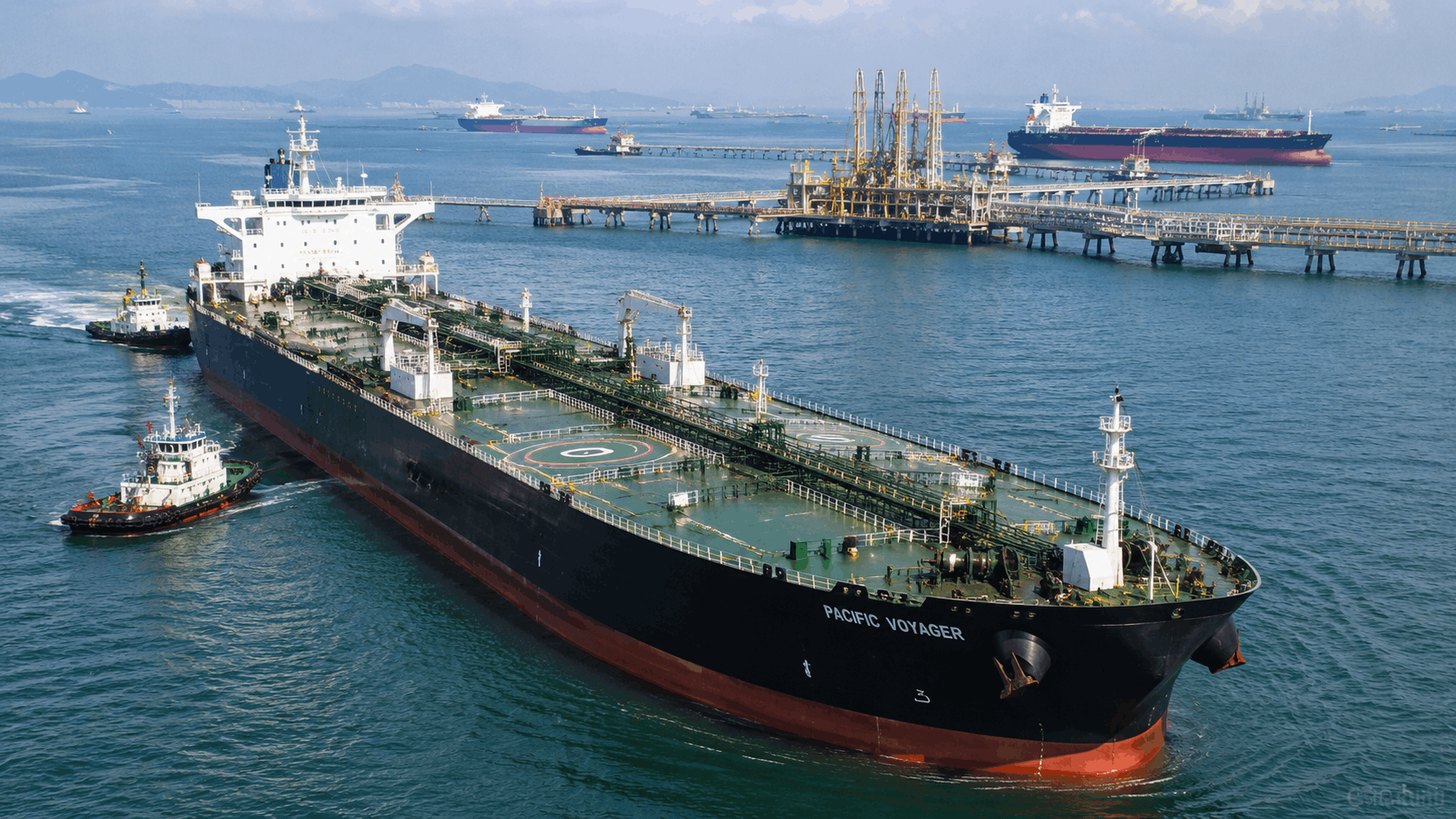
Key Takeaways
Brent crude fell about 0.9% to around $88.44 per barrel, while WTI declined roughly 0.9% to approximately $82.50 per barrel.
Reports of a proposed 10-day ceasefire between the United States and Iran improved market sentiment.
Oil remained near one-month highs as geopolitical risks in the Middle East persisted.
Investors continue monitoring regional shipping security, diplomatic negotiations, and potential supply disruptions.
Crude prices remain an important driver of inflation expectations and broader financial markets.
What Happened
Oil prices declined during July 21 trading after reports that international mediators had presented a proposal for a 10-day ceasefire between the United States and Iran in an effort to restart diplomatic negotiations.
According to Reuters, Iranian officials acknowledged receiving the proposal, although no agreement had been finalized and military exchanges continued. At the same time, Yemen's Houthi movement threatened a naval blockade targeting Saudi Arabia, underscoring that geopolitical tensions across the region remain elevated despite renewed diplomatic efforts.
The prospect of negotiations encouraged traders to reduce some of the geopolitical risk premium that had recently pushed crude prices to their highest levels in more than a month.
Why It Matters
The oil market is highly sensitive to geopolitical developments because expectations of future supply disruptions can influence prices well before any physical shortages occur.
A sustained increase in crude prices can raise transportation costs, pressure corporate profit margins, and reinforce inflation concerns. Conversely, easing energy prices may help improve market sentiment by reducing expectations for higher input costs across the economy.
With investors also assessing the outlook for interest rates, movements in energy prices remain an important variable for broader financial markets.
Oil Market Reaction
Benchmark crude prices moved modestly lower following the diplomatic developments.
Latest market levels:
Brent crude: approximately $88.44 per barrel
West Texas Intermediate (WTI): approximately $82.50 per barrel
Both benchmarks: down around 0.9% during the session
Despite the decline, both contracts remained close to their highest levels in over a month, indicating that markets continue to assign a meaningful geopolitical risk premium to crude.
Why Prices Declined
The immediate catalyst for the pullback was optimism that diplomatic engagement could reduce the likelihood of a prolonged disruption to oil exports and maritime trade.
A ceasefire, if agreed, could lower concerns surrounding:
Oil infrastructure
Tanker traffic
Regional export routes
Shipping through the Strait of Hormuz
However, traders remained cautious because negotiations had not produced a formal agreement and military activity continued.
As a result, the decline in crude prices was measured rather than broad-based.
Why Risks Remain Elevated
Several factors continue to support higher oil prices despite the day's decline.
Investors remain focused on:
Continued military exchanges between the United States and Iran
Houthi threats targeting Saudi maritime shipping
Uncertainty over whether ceasefire negotiations will succeed
Potential disruptions to regional energy exports
Security risks affecting Gulf shipping lanes
Until greater clarity emerges, geopolitical developments are likely to remain a dominant influence on crude markets.
Market Impact
Lower oil prices provided modest support for broader risk sentiment.
Industries that are particularly sensitive to fuel costs—including airlines, transportation companies, and logistics firms—typically benefit when crude prices ease. Lower energy prices can also reduce short-term inflation pressures, which may improve sentiment toward interest-rate-sensitive sectors such as technology.
Nevertheless, market participants remain cautious because geopolitical developments can change rapidly, and renewed tensions could quickly reverse the decline in oil prices.
Bull Case for Oil
Crude prices could move higher again if:
Diplomatic negotiations fail
Military conflict intensifies
Major shipping routes are disrupted
Energy infrastructure is damaged
Supply becomes more constrained through sanctions or production losses
Any of these developments could increase the geopolitical premium already reflected in oil markets.
Bear Case for Oil
Oil prices could continue to ease if:
A ceasefire agreement is reached
Maritime shipping remains largely uninterrupted
Supply disruptions are avoided
Geopolitical tensions gradually subside
Global demand growth softens
Reduced uncertainty could encourage traders to remove additional risk premium from crude futures.
What Investors Are Watching Next
Market participants are expected to monitor several developments in the coming days, including:
Whether Iran formally accepts or rejects the ceasefire proposal
Additional military developments involving the United States or regional actors
Further Houthi statements regarding shipping activity
Weekly U.S. crude oil inventory data
OPEC+ production policy
Inflation expectations influenced by energy prices
These factors are likely to shape expectations for both commodity markets and broader financial assets.
Conclusion
Oil prices retreated on July 21 as hopes for renewed diplomacy between the United States and Iran prompted traders to trim part of the geopolitical risk premium built into crude futures.
However, the market reaction remained measured. Continuing military activity, unresolved ceasefire negotiations, and ongoing threats to regional shipping underscored that supply risks have not disappeared. Until there is greater clarity on diplomatic progress and security conditions in key energy corridors, geopolitical developments are likely to remain the primary driver of oil price volatility.
Disclaimer
This content is for educational and informational purposes only. It is not financial advice. Stratton Journal does not recommend any specific investment or trading strategy.