
Oil Rally Extends on Middle East Supply Concerns Ahead of Key Policy Signals
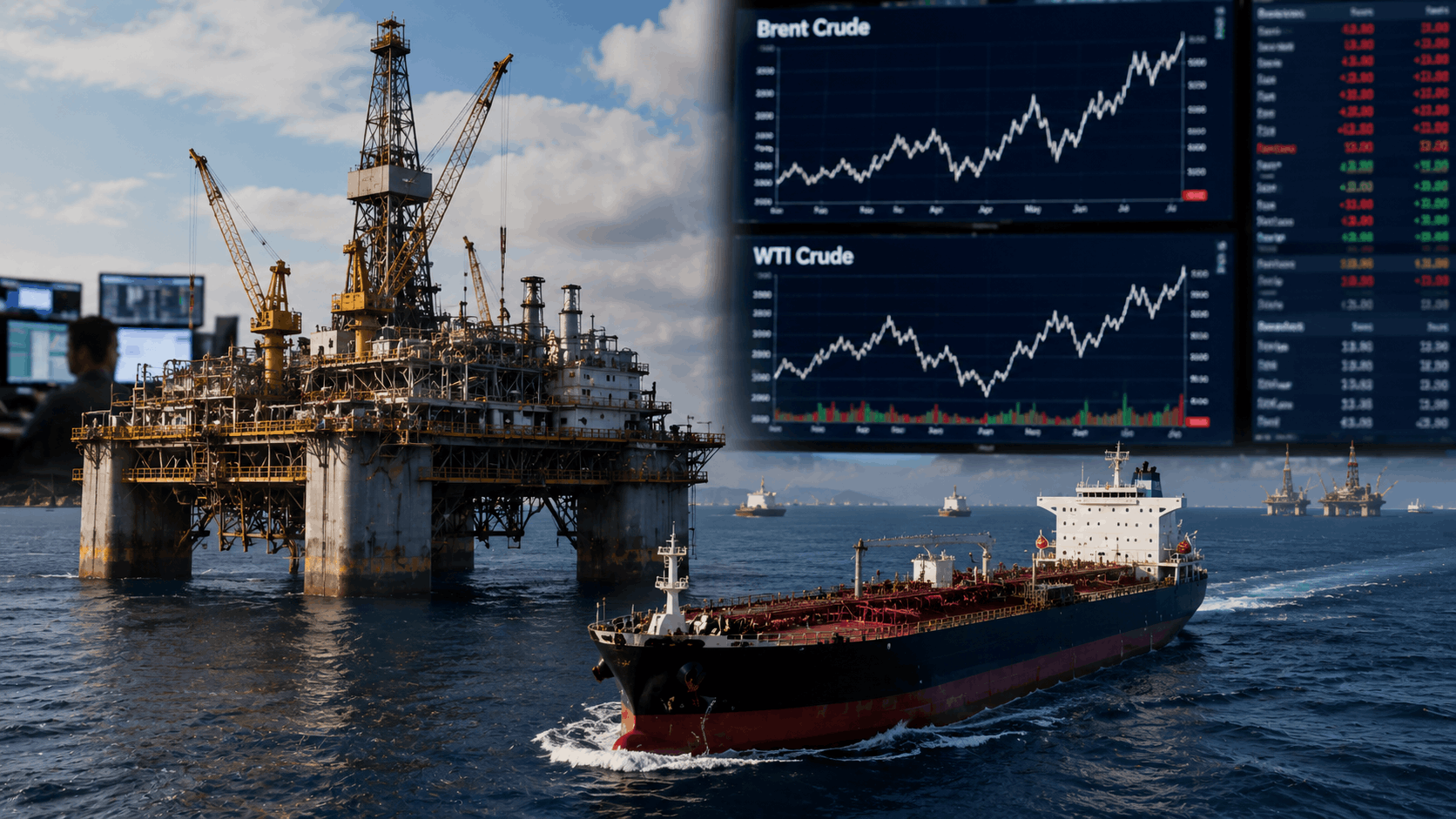
Brent crude traded above $91 a barrel on July 22 while West Texas Intermediate (WTI) reached a multi-week high, as escalating tensions in the Middle East heightened concerns over potential supply disruptions. Investors also weighed the inflationary impact of higher energy prices and their implications for global monetary policy.
Key Takeaways
Brent crude rose above $91 per barrel as geopolitical tensions increased supply concerns.
Investors priced in a higher geopolitical risk premium amid fears of disruptions to key shipping routes.
Higher oil prices reinforced inflation expectations ahead of central bank policy decisions.
Energy stocks could benefit from sustained crude strength, while airlines and transportation companies face higher fuel costs.
Markets remain focused on geopolitical developments, OPEC+ policy, and global supply conditions.
What Happened
Crude oil prices extended their rally on July 22, with Brent crude trading above $91 per barrel and West Texas Intermediate reaching its highest level in several weeks as escalating tensions in the Middle East raised concerns about potential disruptions to global energy supplies.
According to Reuters, investors continued to add a geopolitical risk premium to crude prices amid concerns over attacks affecting key shipping routes and the possibility of broader regional instability. The advance reflected fears that any disruption to exports from the Middle East could tighten global supplies, increase transportation costs, and reinforce inflationary pressures worldwide.
The rally also influenced broader financial markets by lifting inflation expectations and drawing attention to the potential implications for currencies, government bond yields, transportation companies, and energy producers.
Why It Matters
Oil remains one of the world's most influential commodities, affecting inflation, transportation costs, manufacturing expenses, corporate earnings, and global economic growth.
The latest price increase underscores the market's sensitivity to geopolitical developments in major energy-producing regions. Sustained strength in crude prices could complicate efforts by central banks to contain inflation while increasing costs for businesses and consumers.
The move is also significant for financial markets because oil prices frequently influence expectations for monetary policy, sector performance, and broader macroeconomic sentiment.
Key Details
Middle East Conflict
Escalating regional tensions remained the primary catalyst behind the latest rally, with investors monitoring the risk of disruptions to energy infrastructure and crude exports.
Shipping Risks
Commodity traders continued to watch security conditions affecting major maritime trade routes, including the Red Sea, where disruptions could increase freight costs and insurance premiums.
Strategic Energy Chokepoints
The Strait of Hormuz, through which roughly one-fifth of globally traded crude oil passes, remained a central focus for markets. Investors also monitored the Bab el-Mandeb Strait, a key shipping corridor linking the Red Sea with the Gulf of Aden, for potential disruptions affecting oil and liquefied natural gas shipments.
Supply and Demand
While geopolitical developments dominated trading, investors also remained focused on broader market fundamentals, including OPEC+ production policy, U.S. crude inventories, refinery demand, and seasonal consumption trends.
Market Impact
Higher crude prices reinforced inflation expectations and may increase pressure on sectors with significant fuel costs, including airlines, logistics companies, shipping firms, and manufacturers.
Conversely, sustained strength in oil prices could support earnings for integrated energy producers, exploration and production companies, oilfield service providers, and energy infrastructure operators.
Institutional investors are expected to continue monitoring crude futures positioning, OPEC+ policy decisions, inventory data, and geopolitical developments for indications of whether the current risk premium is likely to persist.
Conclusion
Oil's move above $91 per barrel reflects heightened market concern over geopolitical risks rather than a material change in underlying demand. Investors remain focused on the potential for supply disruptions through critical shipping routes, while also assessing the implications of higher energy prices for inflation and global monetary policy.
Future price direction is likely to depend on developments in the Middle East, supply conditions, and policy signals from major central banks, with energy markets remaining highly sensitive to geopolitical headlines.
Disclaimer
This content is for educational and informational purposes only. It is not financial advice. Stratton Journal does not recommend any specific investment or trading strategy.